
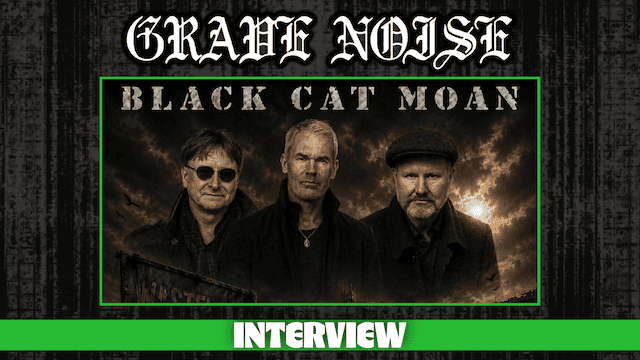
Interview: Getting to Know Black Cat Moan
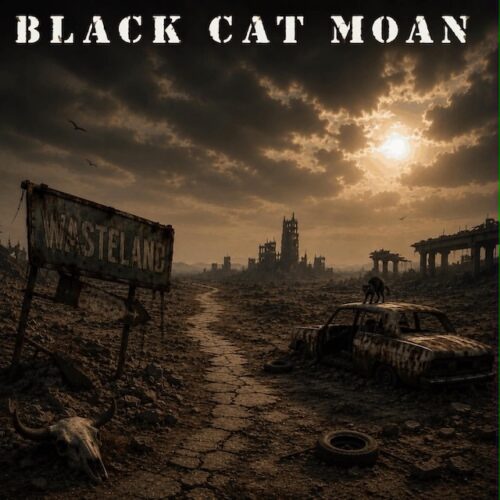
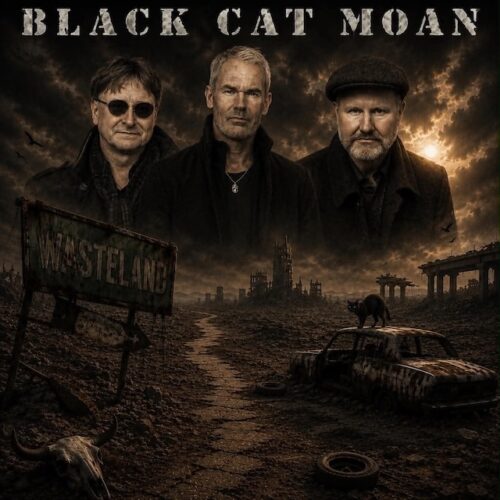
Hard rock band, Black Cat Moan recently released their third album, ‘Wasteland’, and in this interview, we get to know the band a little better.
1. Hello! Thank you for taking the time to chat to us. First things first, tell us a little bit about yourself and how you got started.
I bought my first electric guitar when I was 14 or 15, and immediately formed my first band. When I was 21 I moved to Stockholm. There I formed the first incarnation of Black Cat Moan together with Bo Åström on drums. We went through many line-up changes and recorded lots of demos until we established our ultimate line-up in 1989, when we were complemented by Lars Isaksson on vocals, Hans Ludwig on guitars, and Peter Melin on bass. Our first album was released 1991.
2. Someone comes to you and asks you to sum up what kind of music you play – what do you tell them?
It’s plain and simple Hard Rock.
3. What’s currently keeping you busy? A new album/EP/single release? A new video? Playing live, or planning ahead?
We have just released our third album Wasteland, which was preceded by a single Black Sugar just before. Currently the focus is on promoting the album. Next steps will be to continue writing and recording new music.
4. What is about this current period that is particularly exciting for you?
Your songs are like your children. There’s a lot of emotions put into them, and when they are born you want to share them with the world with the hope that everybody else would love them as much as you do. Hopefully, that hope can be somewhat met, but in the end it’s all about individual tastes.
5. Tell me about the work that has gone into making it a reality and what it means to you.
We really enjoy writing and recording new material, so it means a lot to finally have a record to show to the world. That was even more the case when we released our first album back in 1991. It was fantastic to walk into the biggest record stores in Sweden and see our record hanging there on the wall next to all the great albums released that year.
6. Making music and being creative can be a very positive experience and can be very good for the mind. In what way has making music had a positive impact on your mental health?
Playing music is objectively an unbeaten cure to various deceases. There have been so many times when I have felt that I have a cold coming up, but after returning from the rehearsal studio a few hours later, the cold is just gone! There should be more research done on why this is the case, but clearly music heals, especially when you make the music yourself. The same goes for mental health too, nothing beats going into the studio and just playing guitar for a few hours. Then you realize a few hours have gone when it felt like only a minute. Music is a cure.
7. It can also be incredibly challenging, more so in the modern times. What have been some challenging aspects of making music and how have you overcome them?
By far the hardest thing was when we had to give up the band in 1993. We had two offers to sign a global recording contract with two respective global top tier labels, but both were never completed because of circumstances beyond our control. The first one did not happen because EMI acquired Virgin; this kind of industry consolidation doesn’t happen very often. A similar one followed a few months later. It was very depressing times for the band, eventually leading to the band’s breakup.
Fortunately in our case, we were later in life (around 2018) ready to pick up the band where we left it. Since then we have released two albums.
8. How do you handle the online aspects of being in a band? Having to put out content constantly, promoting across several different social media platforms, and having your success measured in likes and follows?
I’m not sure we manage it very well. We are active on the usual SoMe platforms except for TikTok, but we’re probably old school and prefer physical interaction with the listener.
9. How do you make this part of things enjoyable, and fulfilling, for yourself?
It’s not like we do it for the money. We only do it because we love hard rock music and we really enjoy writing, playing and recording our own music. Hopefully somebody else will enjoy it too, if we can improve somebody’s life a tiny bit that would be worth it.
10. Speaking directly to listeners – what would you ask they do to help support you?
Listen to our music, and if you like it, listen to it again!
11. Outside of music, what do you like to do to relax?
Running is the second best exercise after playing guitar.